 PRIVOX
One channel for the service desk and field technicians
A locker loses power before the evening pickups, the spare isn't in the van, a fault looks new: the asset alerts its region, and the technician sorts it out by voice. Work orders stay in your system.
- Locker 112: Locker 112, Station Square: no power since 17:50
- Service desk: Locker one twelve is down, right before the evening pickups. Who's closest?
- Duty technician: North Two. I'm five minutes away, I'll take it.
- Duty technician: Panel open, the power supply LED is off. No spare in my van.
- Technician, north: North Five. I picked one up this afternoon. Bringing it over, ten minutes.
- Duty technician: New power supply in. Locker 112 is back up.
- Service desk: Power on, I can see it on the console. Work order closed.
How PRIVOX helps
- Locker 112No powerIndoor21.4 °CMainsOn
The locker reports a power loss
A power sensor in the locker raises one alarm on the region's channel. The console card turns red and the technicians' phones wake up.
- NORTH-5NORTH-2SOUTH-1
The desk sees who is closest
The map shows each technician's callsign and speed. One question on the channel, and the nearest one takes the job.
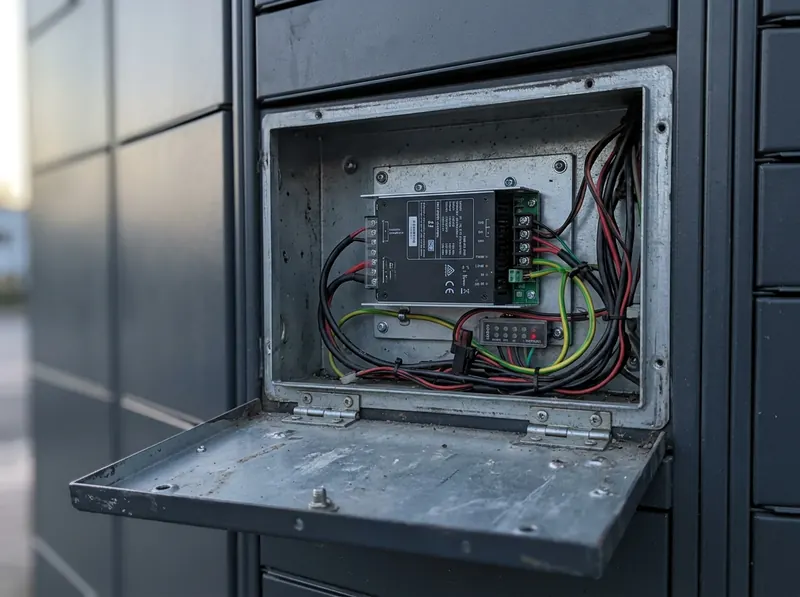
Locker 112: panel open, the power supply LED is off.
NORTH-5 · nowA photo instead of a guess
A photo of the open panel or the part label goes into the chat. The parts desk knows the model before the van arrives.
- NORTH-50:42 · FULL DUPLEX
A senior engineer on a private call
For a fault nobody has seen before, a one-to-one call works like a phone call and leaves the region's channel free.
Try it on the radio
The same interface, set up the way it could look for you: your channels, your callsigns, your sensor.
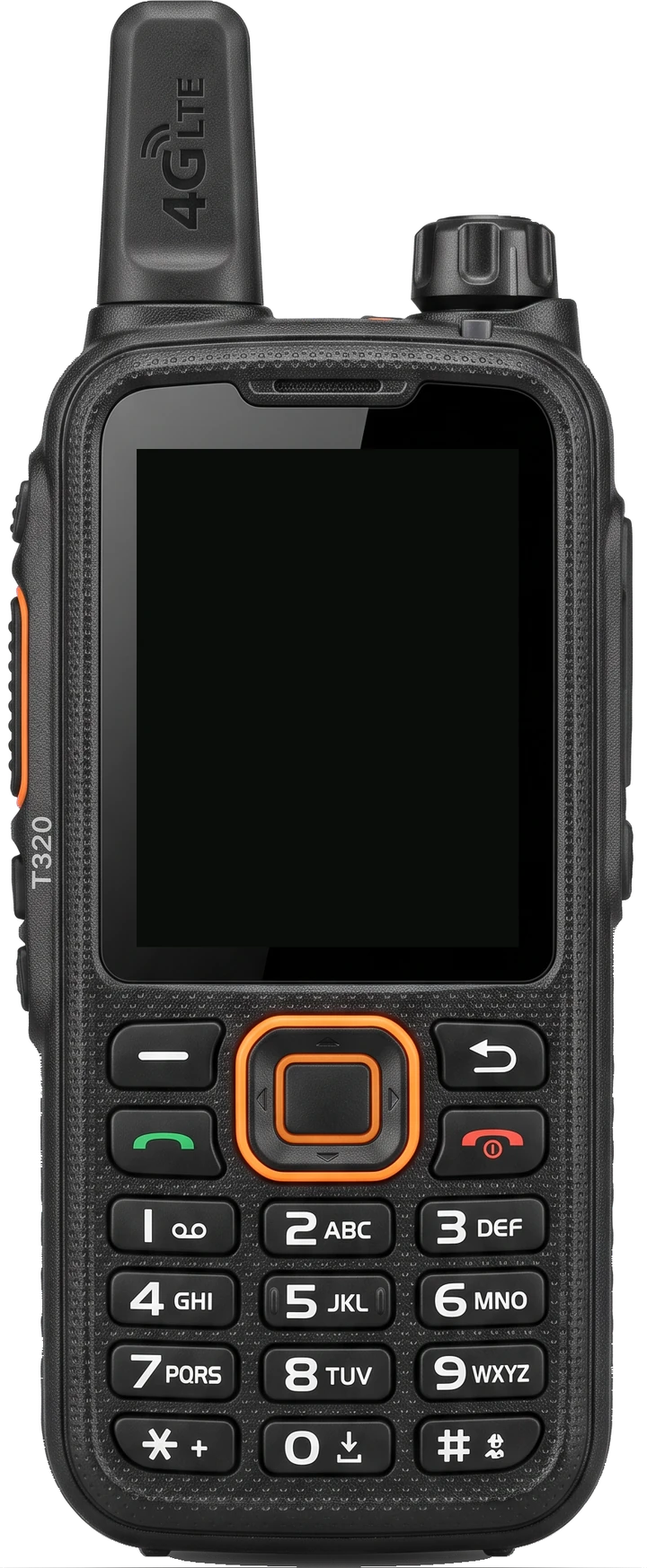
PRIVOX is light on the battery. By the 5-5-90 cycle radio makers use to rate battery life, a radio running PRIVOX lasts about 21 h, while typical radios are rated at 8–12 h. Calculated from a full discharge test on an Inrico T320.
How we adapt to you
Regions and rollout teams
North, south and the city centre get their own channels. A charger rollout gets a group with an end date: it closes itself, history stays.
Each sensor wakes its own region
A locker in the north alerts the north duty group, not every technician in the country.
Subcontractors on a time limit
Partner installers join with a QR card, keep access until the contract ends and stay off the map if you choose.
What we can add
Events from your asset platform
Your lockers or chargers already report to a back office? We connect those events to the duty channel by webhook, e-mail or MQTT.
Duty role with acceptance
An event goes to today's duty technician and waits until it is accepted. If nobody accepts in time, it moves to the next person.
Asset passport
Open locker 112 from the alarm and see its documents, past visits and earlier alarms on one card. We set it up for your network.
Sensors that work inside PRIVOX
Sensors plug into the same system and extend what it does: the alarm reaches the right radio and the console, someone accepts it, and it closes when the sensor is back to normal. For Field service & asset networks we recommend:
Start with one real site
We set PRIVOX up on one of your sites — with your people, your channels and your sensors — and agree up front what a good result looks like.
- A 20-minute call
We go through your sites, shifts and the alarms that matter most.
- A live demo on your devices
Phones, radios and the console — on your site or remotely.
- A pilot on one site
Your shift works on PRIVOX. Together we measure how fast alarms reach people and get an answer.